
Solar Panels Pros and Cons: Is Going Solar Worth It?

Have you ever opened your electricity bill and felt a shock? Amidst scorching weather that keeps the air conditioner running on overdrive, soaring energy costs have become a nightmare for many. This is whySolar Cellhave emerged as a shining hero for homeowners. But before you make a significant investment, let's take a completely honest look at the advantages and disadvantages of solar panels, so you can answer the crucial question:"Is it truly worth it for my home?""
Table of Contents
First Things First... What Exactly Are Solar Panels?
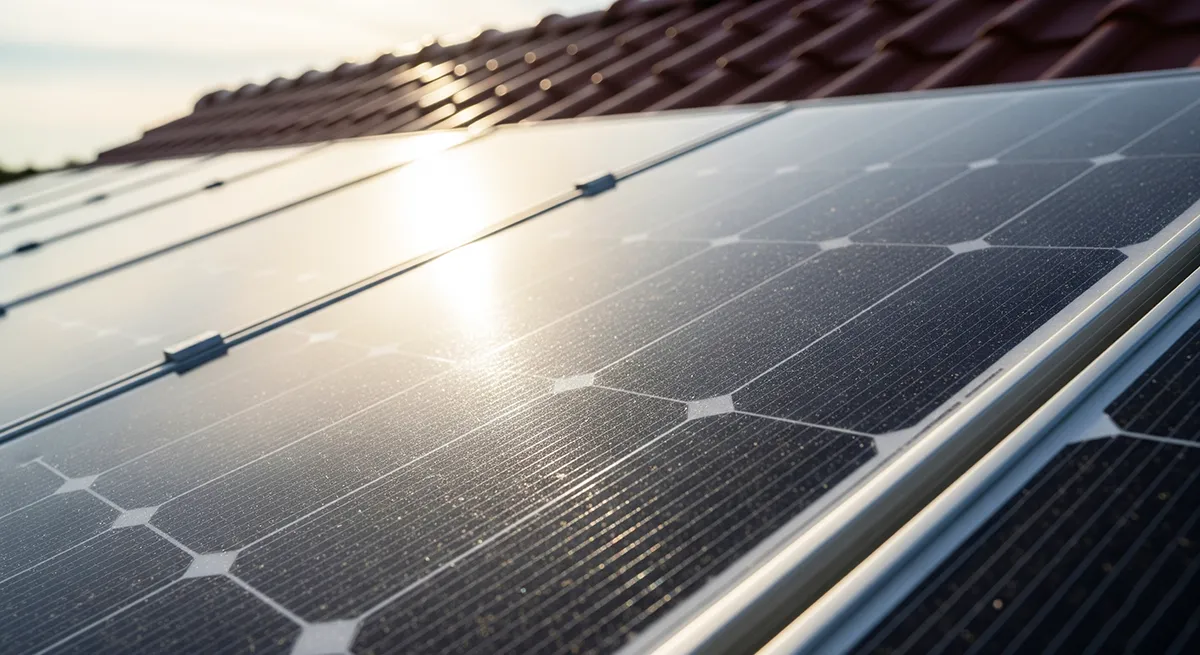
Simply put, it's like having a miniature, clean power plant right on your own roof. Solar panels work by converting energy from the sun—which we get for free every day—into direct current (DC) electricity. An inverter then changes this to alternating current (AC) electricity, ready to power all the appliances in your home instantly.
The Pros of Solar Panels: Why They're Worth the Hype
1. Real, Noticeable Savings on Your Bills
This is the number one reason most people go solar. It canreduce your monthly electricity bill by a staggering 50-90% depending on the size of your system and your energy consumption habits. Imagine your bill dropping from hundreds of dollars to just a few! The average payback period is about 6-8 years. After that, it’s like getting free electricity for years to come. Plus, if you generate surplus energy, you might even be able to sell it back to the grid.
2. Help the Planet... and Look Cool Doing It
Installing solar panels is a statement that you're part of the solution for a healthier planet. Solar is a clean energy source that doesn't release greenhouse gases or create air pollution. It helps reduce our reliance on fossil fuels, making it an investment in a sustainable future for everyone.
3. So Durable, They're Built to Last
Modern solar panels are incredibly robust, with along lifespan of 25 to 30 years. Most manufacturers also provide a performance warranty guaranteeing that the panels will still operate at over 80% efficiency even after 25 years. Maintenance is minimal, usually just requiring a cleaning once or twice a year.
4. A Beautiful Home with Added Value
Homes equipped with solar panels often look more modern and tend to have a higher market value—typically an increase of 3-5%. Future buyers see the long-term benefit of significant energy savings.
5. Government Incentives & Tax Deductions
Great news for anyone thinking about getting solar panels! The Thai government has launched a new measure to actively support clean energy, including a tax deduction for installing residential solar rooftops that directly benefits homeowners.
The Benefit for You:
You can use the cost of your solar panel installation for a personal income tax deduction of up to 200,000 THB,
Key Conditions to Know:
- Homeowner & Taxpayer: The name of the person claiming the tax deduction must match the name on the home's electricity meter.
- System Size: The system must be on-grid (connected to the utility) and have a capacity of no more than 10 kilowatts (kWp).
- Proof: You must have a full tax invoice from the purchase and installation to serve as proof.
- Timeframe: This measure is effective until December 31, 2027.
This policy not only helps ease the initial financial burden for homeowners but also serves as a major push towards helping the country achieve its clean energy goals faster.
The Cons of Solar Panels: The Hard Truths You Need to Know
Of course, every coin has two sides. Let's look at the downsides frankly for a well-rounded decision.
1. The High Upfront Cost
The most obvious drawback is the significant initial investment. A standard residential system (e.g., 5kW) can cost thousands of dollars, which is a large sum that requires careful financial planning. Solar Cell Installation Pricing
2. Dependent on Mother Nature
Electricity production is directly dependent on sunlight. On cloudy days, during heavy rain, or in seasons with less sun, production will decrease. This means you may need to draw power from the grid during these times.
3. Not Every Roof Is a Good Fit
Installation requires a roof that isstructurally sound, free from shadows cast by trees or tall buildings, and ideally facing the direction that receives the most sunlight (often south in the Northern Hemisphere). Homes with limited or shaded roof space may not be suitable.
4. There Are Still Maintenance Costs
While durable, there are some hidden costs. These include occasional professional cleaning, annual system check-ups, and most importantly, the inverter, which has a lifespan of about 10-15 years and will need to be replaced.
5. The Future of Old Panels
Once the panels reach the end of their life in 25-30 years, managing the old panels is a challenge. They contain components that must be recycled properly, and the infrastructure for this is still developing.
The Verdict: After All the Pros and Cons, Are Solar Panels Right for Your Home?
Solar panels will be most worthwhile and suitable for homes that:
- Have relatively high monthly electricity bills (typically 3,000 THB or more), or you can try using a Solar panel calculator first.
- Use more than 30% of their electricity during the daytime.
- Are homeowners with plans to live in the property long-term.
- Have a suitable roof space that is strong and unshaded by sunlight.
- Are prepared for the initial upfront investment in exchange for long-term returns.
- Are environmentally conscious and want to be part of the clean energy movement.
Our Best Advice: Before you decide, consult with experts from at least 2-3 reputable companies. Have them perform an on-site evaluation, calculate the right system size for your needs, and provide a clear quotation. Investing in solar panels is an investment in the future, so gathering complete information is the key to getting the best value.
Interested in installing European-standard solar cells? Contact Puma Sunergy today!
Frequently Asked Questions (FAQ) about Solar Panels
Q: How long is the payback period?
On average, it's about 6-8 years, depending on the system size, installation cost, and your electricity usage.
Q: Can I use electricity at night or on rainy days?
Yes. If your solar system isn't producing enough power (or any at all at night), your home will automatically draw electricity from the grid. This ensures you have an uninterrupted power supply 24/7.
Q: Is a battery necessary?
Not always. A battery stores the excess energy produced during the day for use at night, which can maximize your savings. However, it also significantly increases the initial cost of the system.
Q: Is maintenance complicated?
Not at all. The main task is cleaning the panels once or twice a year to remove dust and grime that can block sunlight. Other than that, an annual check-up by a professional technician is recommended.
ติด Solar Rooftop ลดหย่อนภาษีได้สูงสุด 200,000 บาท
มาตรการมีผลแล้ว · สำหรับระบบและผู้มีสิทธิตามเงื่อนไขกรมสรรพากร
Share the Post: